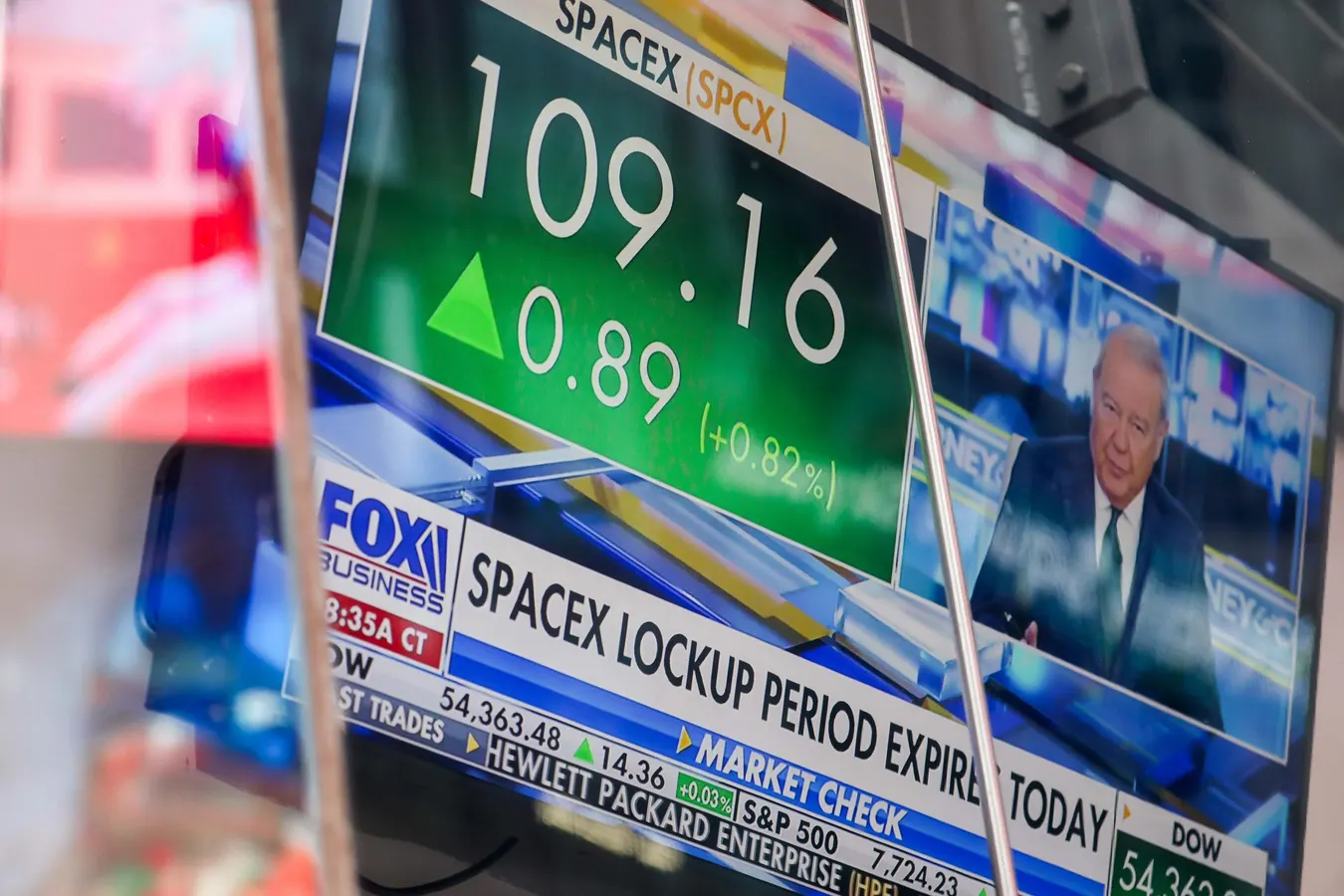
The recent surge in SpaceX shares following the expiration of its first major lock-up period suggests that investors may have overplayed their hand. On paper, the setup looked like a recipe for disaster. With roughly 911.5 million shares held by employees and early backers suddenly becoming eligible for sale, the market braced for a flood of supply into an already tight IPO float. Because the stock had already dipped below its initial public offering price of 135 dollars, the prevailing wisdom was simple: more available shares would inevitably lead to more downward pressure.
Instead of a crash, the market witnessed one of the company’s strongest days since going public, with shares jumping about 16 percent as fears subsided. This rally doesn’t necessarily mean that SpaceX is undervalued or that the risks associated with share supply have vanished. Rather, it indicates that the bear case had become too obvious. By the time the unlock date arrived, so many traders had positioned themselves for a selloff that the trade became crowded. When the anticipated wave of panic selling failed to materialize instantly, those betting against the stock were forced to cover their positions, fueling a rapid climb upward.
The confusion stems from a common investor mistake where eligibility to sell is treated as an automatic decision to sell. While millions of shares became liquid, not every holder possesses the same motivation. Venture funds might sell for diversification or tax purposes, while longtime employees might hold onto their stakes believing there is significantly more growth ahead. Scarcity helped prop up an early high valuation, but it also made any subsequent increase in supply seem more threatening than it actually was in practice.
Despite the relief rally, SpaceX hasn’t yet escaped its overarching challenge of moving from scarcity pricing toward true price discovery. The company remains one of the most influential entities in global industry, but as a public stock, it must now navigate a transition where it is no longer traded based on limited access and hype. As more diverse owners enter the fray and liquidity increases, the stock will continue to test whether its current valuation can withstand a wider pool of sellers who aren’t bound by corporate loyalty or optimistic narratives.